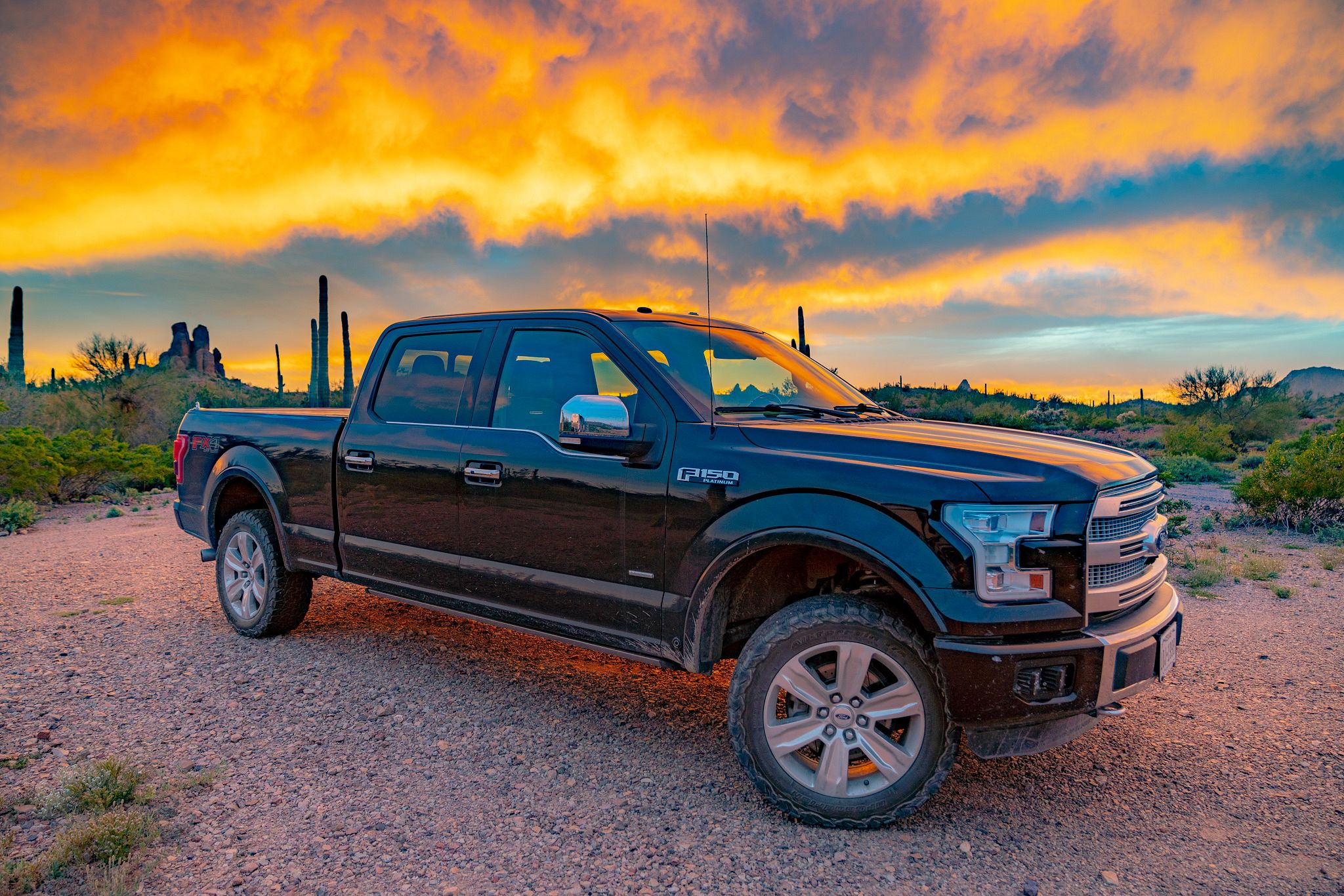
The Ford F-150 is one of the most popular trucks for Western Kentucky drivers because it can cover commuting, family use, job-site needs, and weekend towing. But choosing the right F-150 for a trailer starts with understanding a few basic terms before you compare trims.
Tow Rating Is Only One Number
Maximum tow rating is important, but it is not the only number to check. Payload, tongue weight, axle ratio, engine, cab configuration, bed length, and installed equipment all affect real-world towing. A truck may have enough power but still run out of payload when passengers, cargo, and trailer tongue weight are included.
Payload Matters for Everyday Towing
Payload is the weight the truck can carry in the cabin and bed. That includes passengers, tools, coolers, cargo, and trailer tongue weight. If you tow regularly, review the payload label and match it to your actual use, not just the brochure maximum.
Match the Truck to the Trailer
A small utility trailer, fishing boat, travel trailer, and equipment trailer all place different demands on a truck. Think about trailer brakes, hitch type, mirrors, backup visibility, and whether you will tow on highways, rural roads, or hilly routes.
Benton Ford shoppers can compare local truck options through our F-150 for sale near Paducah page, 2026 F-150 page, and Ford truck buying guide.
Do Not Skip the Test Drive
Even if the numbers look right, the truck should feel comfortable and confident. Check mirrors, seat position, camera views, brake feel, steering, and visibility. If you will be towing often, ask which features can make the job easier.
Compare New and Used F-150 Options
A new F-150 may provide the exact towing configuration you want, while a used F-150 can offer strong value. Compare both through Benton Ford’s new inventory and used F-150 options.
Connect with us


- 2025 Bronco Stroppe Edition
- 2025 Ford Black Widow
- 2025 Ford Bronco
- 2025 Ford Expedition
- 2025 Ford Lineup
- 2026 f-250
- 2026 Ford Bronco
- 2026 Ford Bronco 60th Anniversary Package
- 2026 ford explorer
- 2026 ford explorer tremor
- 2026 Ford F 250
- 2026 Ford F-150
- 2026 Ford lineup
- 2026 Ford Maverick
- 2026 Ford Mustang
- 2026 Ford Mustang Shelby GT500
- 2026 Ford Ranger
- 2026 Ford Super Duty
- 2026 Mustang Mach-E GT California Special
- 2027 Ford F250
- 2027 Ford lineup
- Benton Ford
- Benton Ford Dealer
- Benton Ford Service
- Benton Used Cars
- Certified Pre Owned
- Certified Pre-Owned
- Electric Vehicles
- Financing
- Ford Black Widow package
- Ford F-250
- Ford News
- Pickup Trucks
- Shelby Truck
- Trade-In
- Uncategorized
Categories